



































By DailyAgent
Abuja, Nigeria
According to analysts, the pattern is clear: Nigerian states that invest in qualified teachers, school infrastructure, digital learning tools, quality assurance systems and consistent education financing tend to produce better academic outcomes.

Conversely, poor funding, weak infrastructure and teacher shortages continue to undermine performance in many parts of Nigeria. Sustained investment in public education remains critical to improving national learning outcomes and building Nigeria’s future workforce.
Education analysts say the success of these states is not accidental. Lagos, Anambra, Ondo and Edo have expanded digital learning, supported the growth of private education and strengthened science and technology teaching. Ekiti has sustained a reputation for teacher quality and public investment in secondary education, while Anambra continues to benefit from strong competition among mission and private schools.
States producing top UTME candidates also tend to record higher levels of investment in classroom renovation, computer-based test preparation centres, quality assurance and teacher development programmes. In contrast, states facing poor school infrastructure, teacher shortages and weak education funding continue to struggle with low learning outcomes.
The UTME trend signals the need for Nigerian states to prioritise education budgets, modernise public schools, recruit and retrain teachers and improve access to technology-driven learning. Experts argue that sustained investment in teachers, libraries, laboratories and digital literacy will not only improve UTME scores but also strengthen Nigeria’s long-term human capital development.
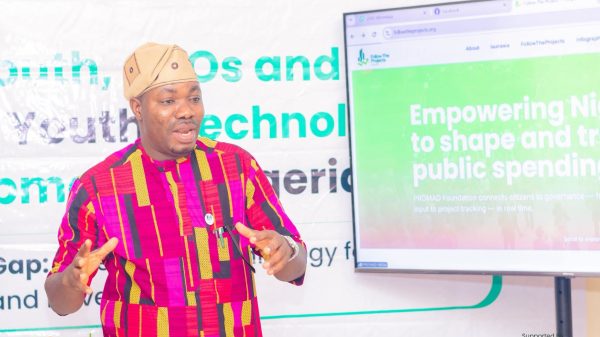
Speaking on their perspectives on the pattern that states investing in quality teaching, digital learning, examination preparation, and school infrastructure is producing more top candidates, Vahyala Kwaga, Country Director and Ibukunoluwa James, Research and Policy Analyst of BudgIT, said sustained public investment in education remains directly linked to stronger academic performance and improved outcomes in national examinations across Nigeria.
According to them, states that consistently invest in teacher development, digital learning infrastructure, examination preparation and quality learning environments create better conditions for students to compete successfully at the national level.
They identified teacher quality as one of the most critical factors influencing student achievement, noting that effective recruitment, continuous training, supervision, and improved teacher welfare often translate into stronger classroom instruction, better curriculum delivery, and higher student performance.
Kwaga and James also highlighted the growing importance of digital learning, noting that investments in smart classrooms, internet-enabled learning platforms and digital educational content help students access modern teaching methods and prepare more effectively for computer-based examinations and technology-driven economies.
Furthering their analyses, they stressed that structured examination support programmes, including mock tests, academic coaching and remedial classes, improve students’ familiarity with examination formats, strengthen analytical skills and boost confidence during national assessments.
They warned that poor funding and weak political commitment to education could deepen inequality in learning outcomes across states, noting that states with limited investment in education infrastructure and teacher support risk widening educational disadvantage despite the potential of their students.
Examining girls’ education and gender distribution of the UTME top performers 2026-2026
In the search for the link between UTME top scorers and improved girls’ education in Nigeria, the gender breakdown of top performers includes 4 females and 9 males.
The analysts, Kwaga and James, said the gender composition of Nigeria’s top UTME performers reflects both progress in girls’ education and the persistence of structural inequality across the country.
According to them, the emergence of female candidates among the nation’s top scorers demonstrates that Nigerian girls can achieve academic excellence when given access to quality education, supportive learning environments and equal opportunities.
“The performance of female candidates challenges long-standing stereotypes about girls’ academic capabilities, particularly in competitive national examinations”, they said.
They, however, argued that the lower representation of female students among top performers is not a reflection of ability, but rather the result of unequal social and educational conditions affecting girls across many parts of Nigeria.
Kwaga and James identified key barriers facing female students, including poverty, early marriage, gender discrimination, domestic responsibilities, weak school infrastructure and limited access to digital learning resources.
They added that these challenges are more pronounced in some regions, particularly parts of Northern Nigeria, where girls often face reduced enrollment, retention and progression in school.
In their argument, they believe that male students benefit from greater educational continuity, fewer domestic pressures and stronger encouragement to pursue science and technology-related academic pathways.
“Despite these constraints, the success of female candidates among the top UTME scorers is evidence of resilience, determination and intellectual capacity, noting that targeted investment in girls’ education, including scholarships, safe school environments, mentorship programmes, digital access and examination support initiatives, could significantly improve female academic performance nationwide”.
They called for a shift beyond focusing only on female enrollment to prioritising learning quality, retention and competitiveness among girls in education.
They added that while the UTME results highlight growing progress in girls’ education, they also expose enduring inequalities that require sustained policy reforms and long-term investment in gender equity across Nigeria’s education system.
Examining the poor performance of Northern States in the UTME
The analysts say Kaduna State’s emergence as the only northern state to produce a top-performing candidate in the 2018 UTME highlights the deep educational inequalities affecting Northern Nigeria and the urgent need for sustained reforms across the region.
According to them, Kaduna’s performance demonstrates that academic excellence is achievable in the North when governments commit to deliberate investment in education, teacher quality and learning infrastructure.
Kwaga and James identified factors including insecurity, poverty, cultural barriers, high out-of-school rates and gender inequality as some of the major issues weakening educational outcomes across many northern states. They also stressed that these challenges can be addressed through targeted and evidence-based policy interventions.
They called for increased education financing, particularly in rebuilding and expanding school infrastructure, including classrooms, science laboratories, libraries and digital learning centres. They noted that overcrowded classrooms, poor learning environments and inadequate teaching materials continue to undermine student performance across the region.
They also emphasised the need for improved teacher recruitment, training and welfare, especially in science, technology, engineering and mathematics (STEM) subjects, noting that stronger monitoring and accountability systems are necessary to improve teaching quality and curriculum delivery in public schools.
Connecting the region to poor girls’ education, the analysts warned that early marriage, economic hardship and cultural limitations continue to reduce female enrollment and retention in many northern communities.
Additionally, they highlighted digital learning and examination preparation as critical areas requiring urgent attention. According to the analysts, investments in computer-based learning, internet access, mock examinations and tutorial support can improve students’ readiness for UTME, WAEC and NECO examinations.
The analysts closed by saying Kaduna State’s 2018 success should serve as a model for other northern states, stressing that long-term investment, data-driven planning and strong political commitment remain essential to improving educational outcomes across Northern Nigeria.